The webinar commenced with a warm welcome address by Ms. Thanishka Yogesh, who welcomed the distinguished speaker, organizing committee members, volunteers, IEEE members, and participants. She introduced the objectives of the Pre-Conference Webinar Series and its importance in supporting professionals and returning mothers through knowledge sharing, networking, and community engagement.
Ms. Sivasankari G.S. introduced the IEEE Returning Mothers Conference 2026 and explained its vision of empowering individuals returning to the workforce after career breaks through continuous learning, skill enhancement, and professional development. She acknowledged the vision of Prof. Ramalatha Marimuthu, Founding Chair of the conference, and shared details of the upcoming conference scheduled for 18–19 September 2026 at Hotel Kalyan, Greater Chennai, Tamil Nadu.
Mr. Moreshwar Naikwadi introduced the IEEE RMC Outreach Committee and described its mission to connect IEEE members, student branches, educational institutions, volunteers, and industry professionals through outreach initiatives, leadership development programmes, community engagement, workshops, and networking opportunities.
Ms. Smrithi introduced the keynote speaker, Dr. Prashant Joshi, highlighting his experience as a Systems Engineer, Systems Architect, Venture Builder, and Founder and CEO of NeepenScale. She noted his work designing future-ready technological systems and mentoring entrepreneurs in transforming innovative ideas into scalable businesses.
Dr. Joshi began by appreciating the vision of the Returning Mothers Conference and sharing personal experiences connected to its theme. He encouraged participants to value hard work, smart work, perseverance, and continuous learning as foundations for entrepreneurial success.
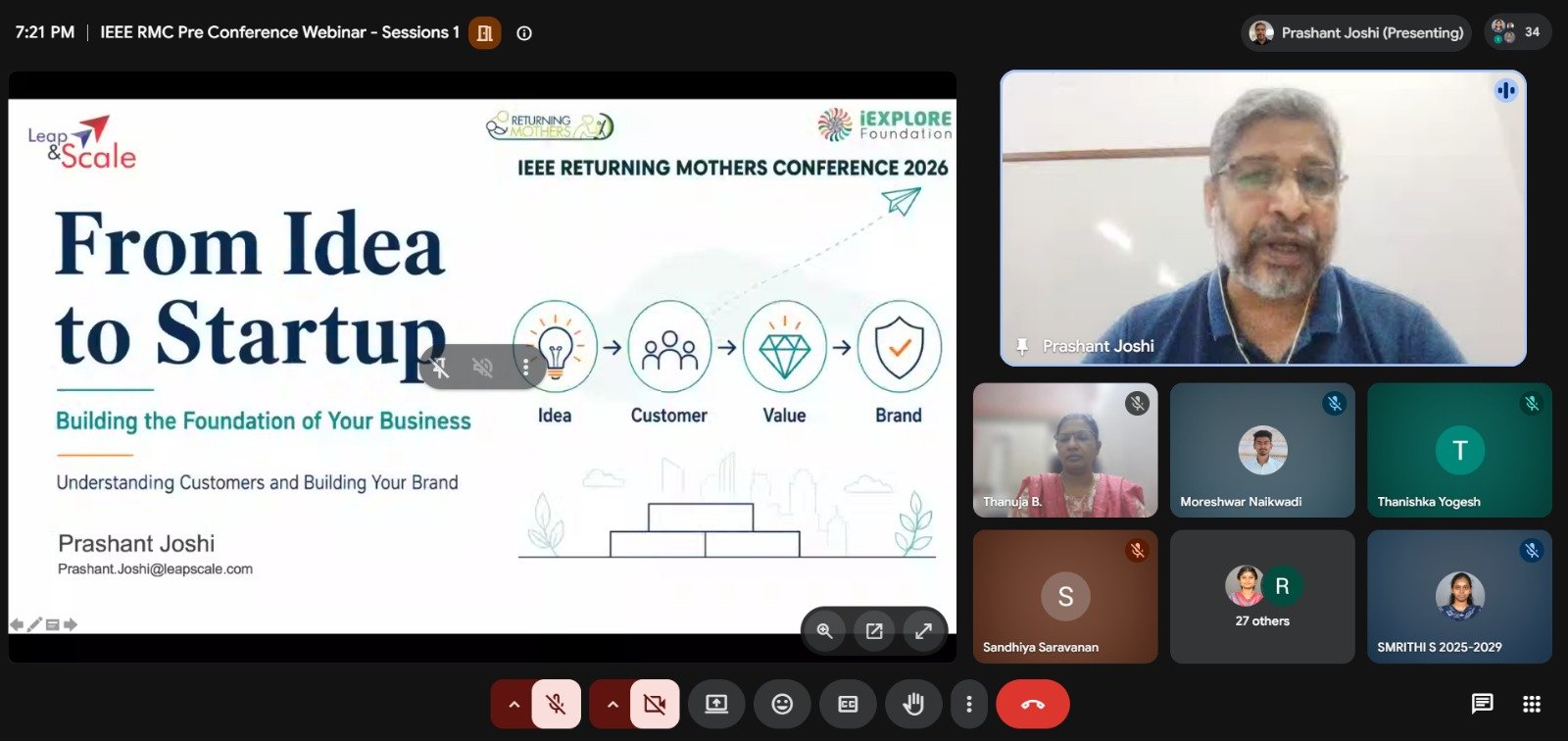
He presented four fundamental pillars of entrepreneurship—Idea, Customer, Value, and Brand—and emphasized that entrepreneurship is about solving meaningful customer problems and creating sustainable value. Revenue, he explained, follows from consistently delivering value. He distinguished an idea, a product, and a sustainable business, highlighting customer trust and repeat purchases, and introduced desirability, feasibility, and viability as foundations for sustainable startups.
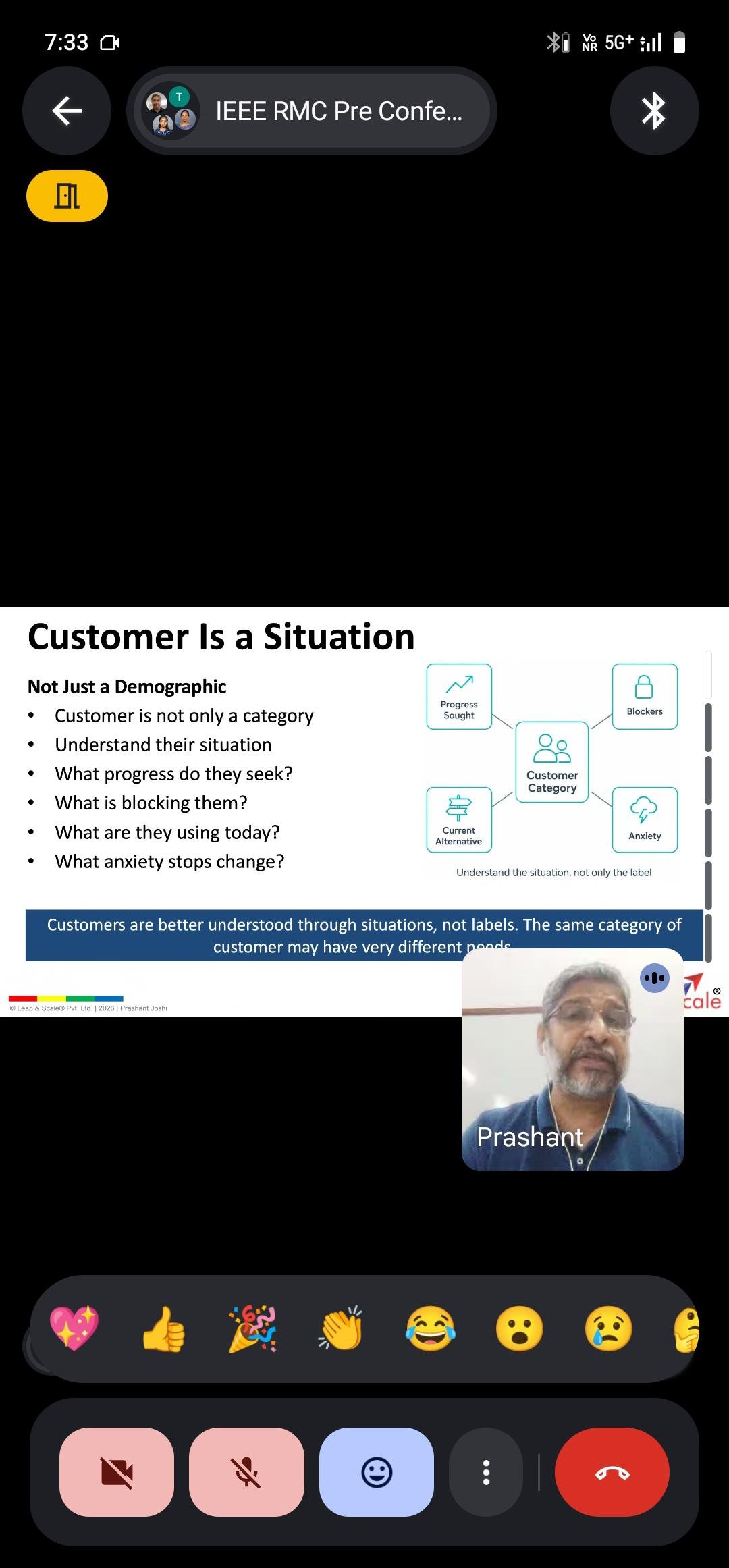
The session introduced the Jobs-to-Be-Done (JTBD) framework, helping participants understand customers through the situations they experience rather than demographic categories. Through case studies of the Iridium satellite communication system, CAN-based vehicle diagnostics, and the Sensoto SR100 platform, Dr. Joshi illustrated how market timing, customer readiness, technological evolution, and perceived value influence product success.
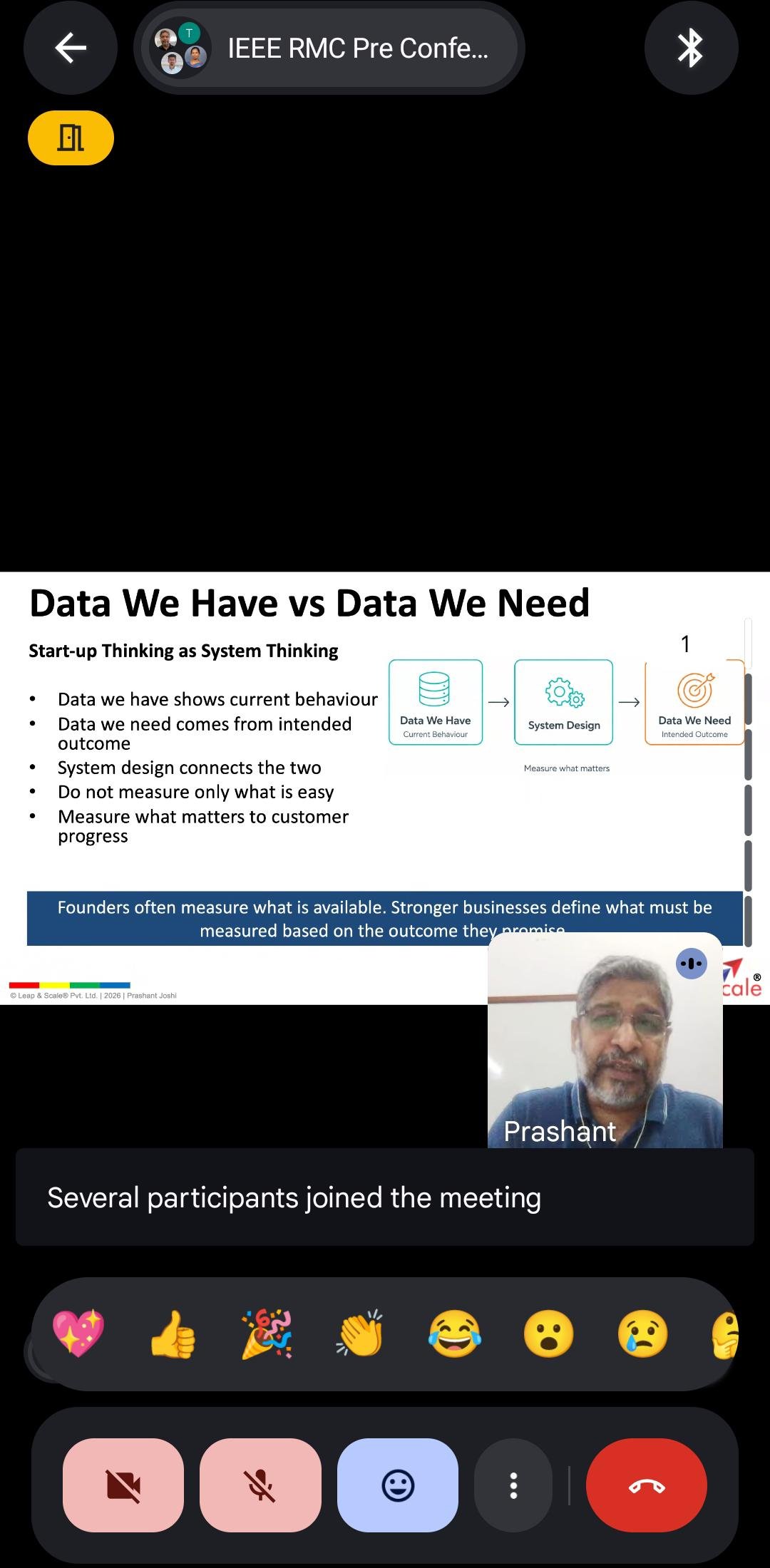
Dr. Joshi discussed systems thinking, customer interaction, product validation, and the importance of identifying measurable customer outcomes before launching products. He emphasized translating engineering features into meaningful customer benefits rather than focusing only on technical specifications.
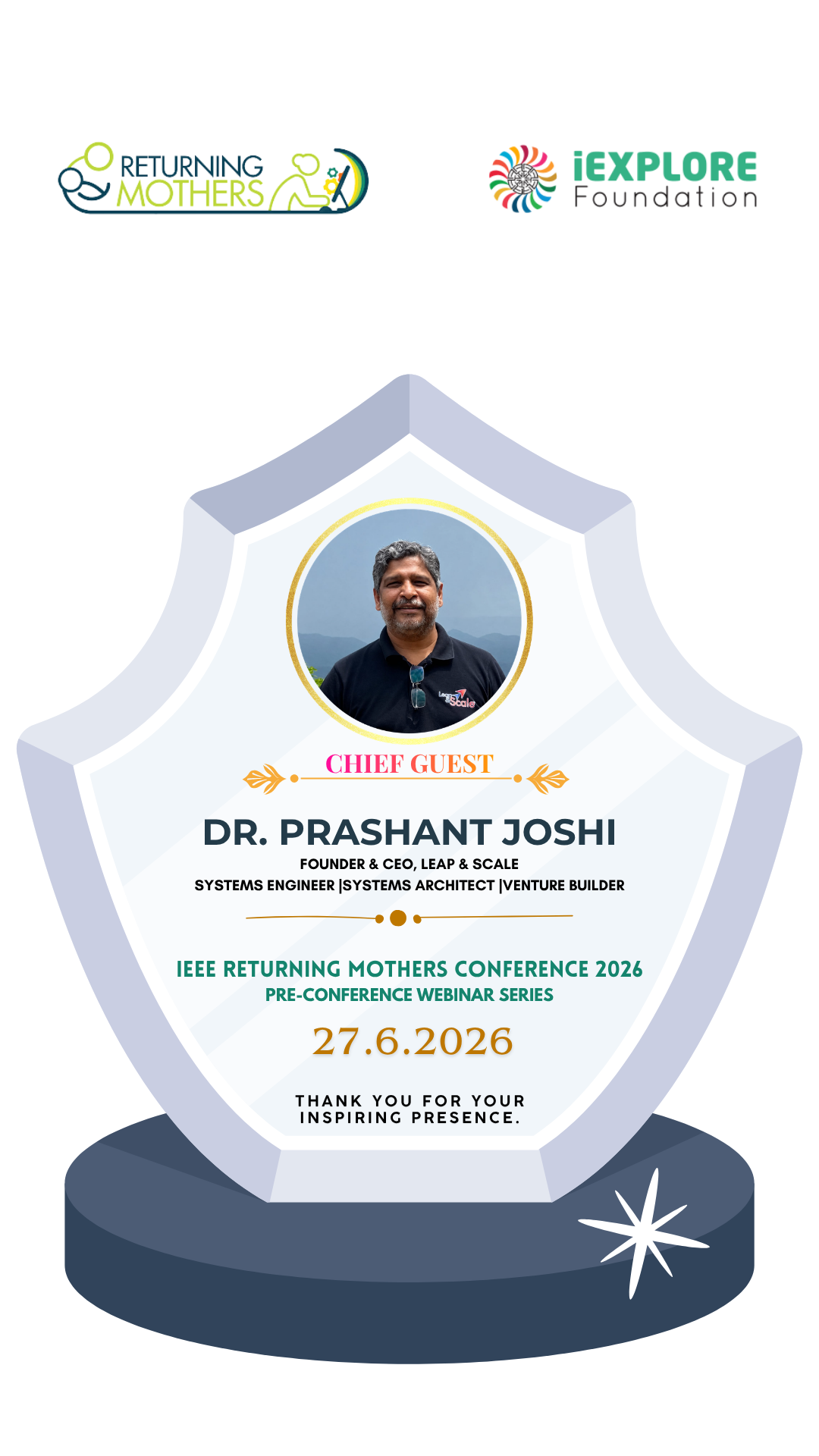
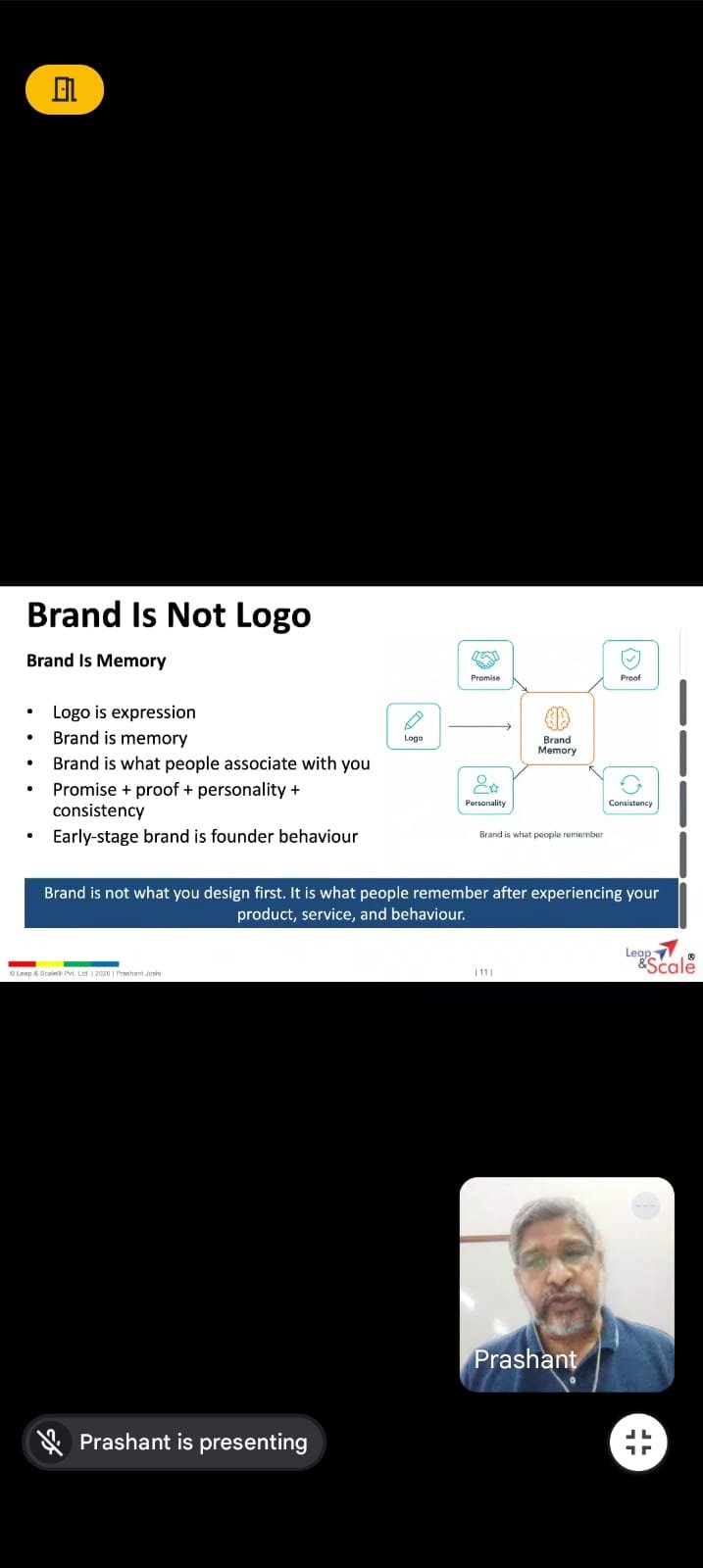
An interactive question-and-answer session followed, with participants asking about entrepreneurship, startup challenges, customer understanding, business sustainability, and brand building. An E-Memento was presented to Dr. Joshi in recognition of his contribution.
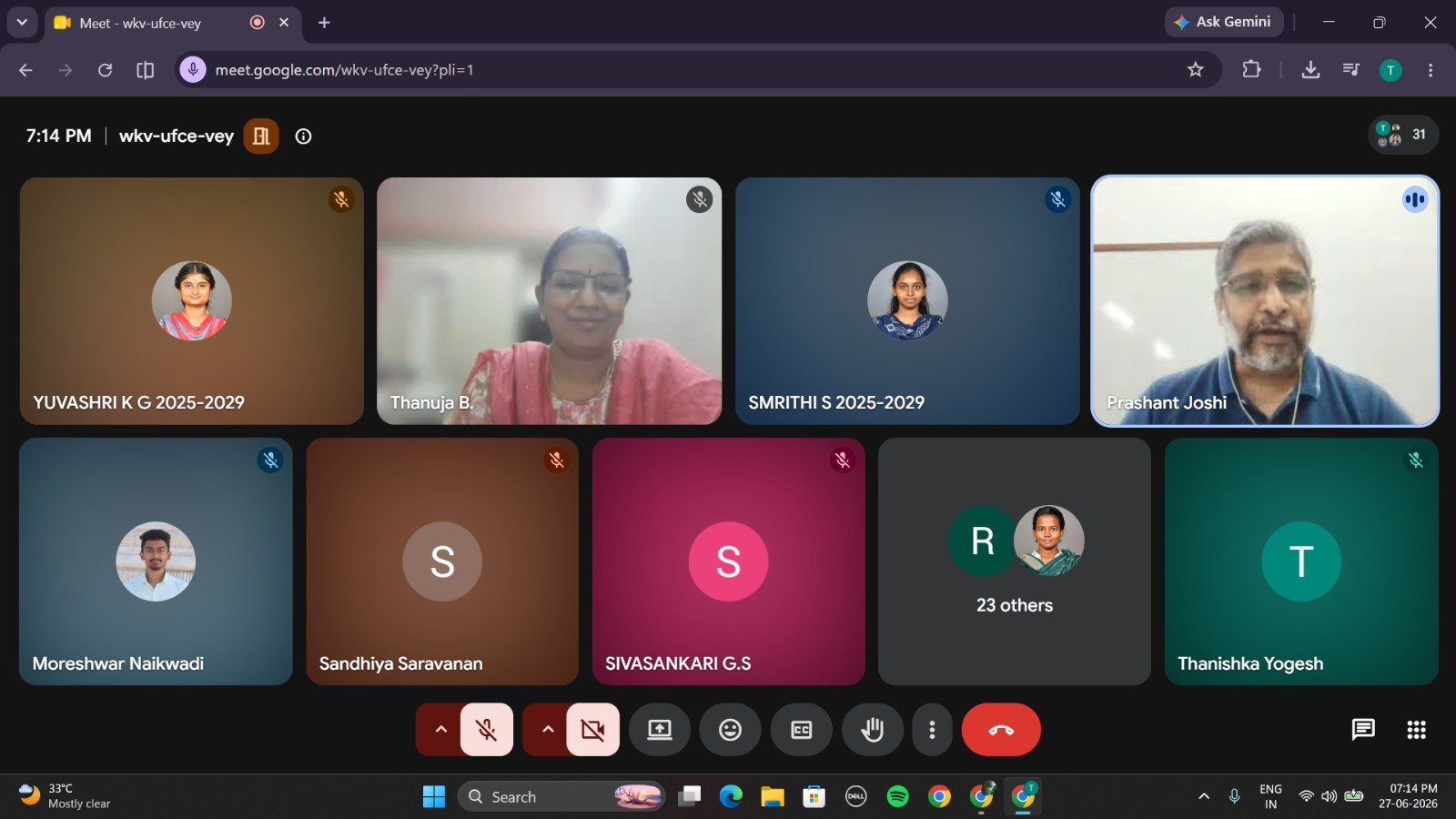
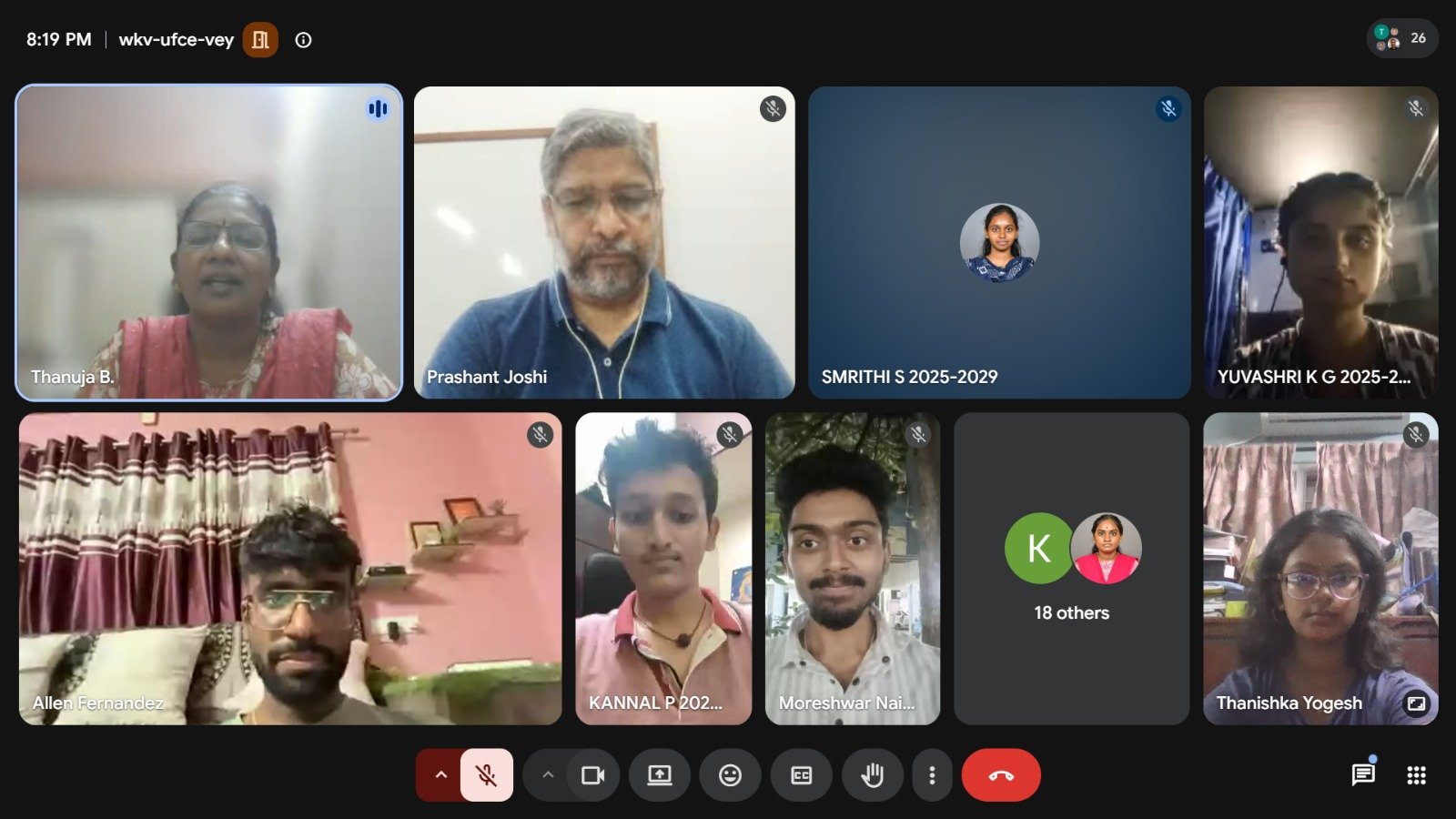
Participants were invited to complete an online feedback form. The programme concluded with an official group photograph and a Vote of Thanks delivered by Dr. Thanuja, who expressed gratitude to the keynote speaker, organizing committee, volunteers, participants, and everyone who contributed to the webinar.